Boiler pH Boosters & Alkalinity Builders
Neutralize acidic feed water and protect your steam system with our Industrial Boiler pH Boosters. Designed to raise and stabilize Boiler Water pH, our chemicals create a passive alkaline environment that prevents pitting and general corrosion of boiler metal.
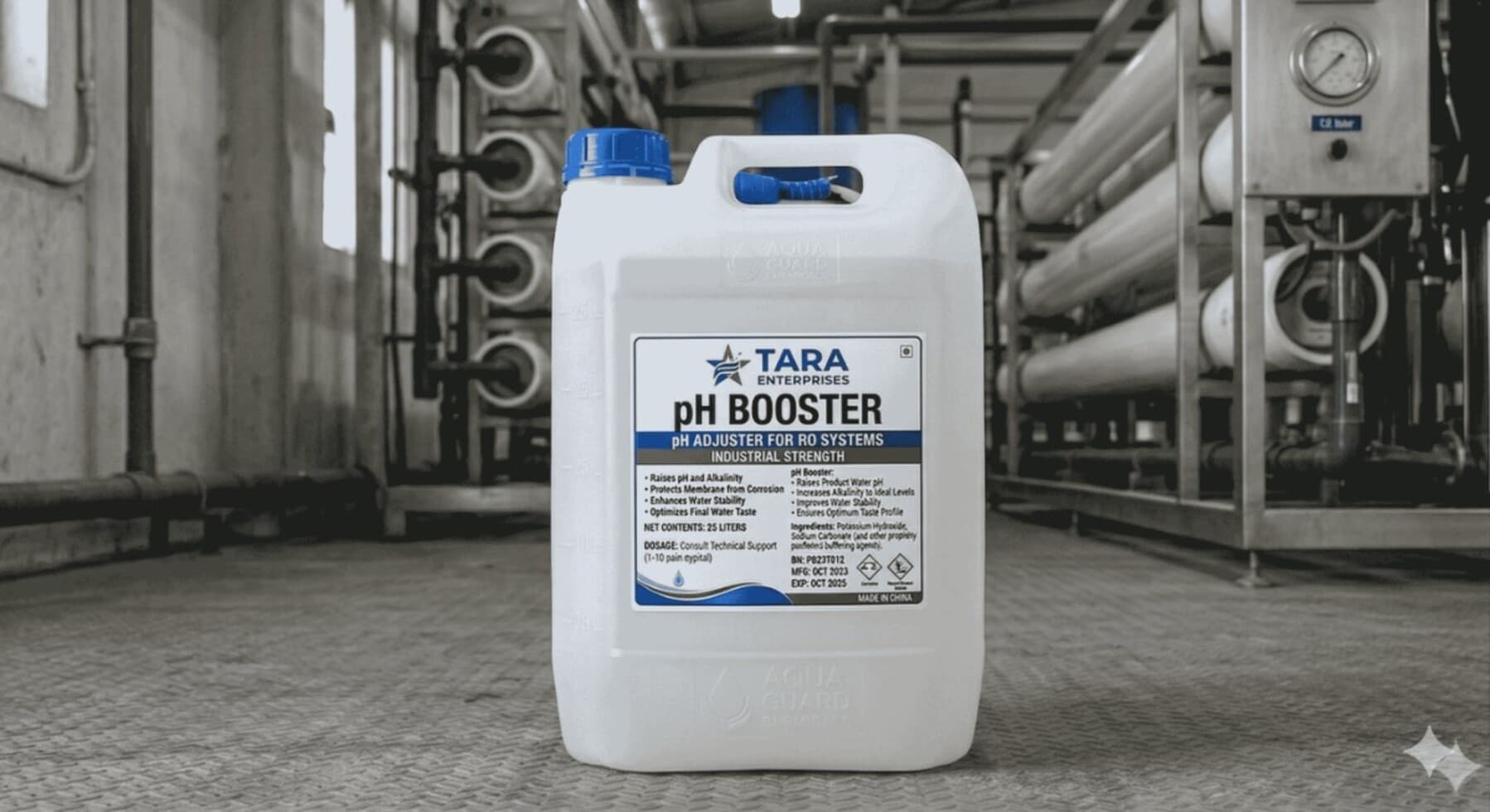
Protecting the Heart of Your Utility
Low pH water is aggressive and can lead to rapid metal loss in boiler tubes. Our Liquid Alkalinity Builders provide a precise increase in pH, ensuring the formation of a protective magnetite layer on carbon steel surfaces. This effectively inhibits corrosion and extends the operational life of your steam generator.
- Rapidly Adjusts pH to Recommended 10.0 - 11.5 Range
- Increases Hydroxyl Alkalinity to Inhibit Scaling
- Stable Performance in High-Pressure Steam Boilers
- Reduces Iron Pickup in Condensate Return Lines
- Odourless and Safe for Food Processing Utilities
- Easily Dosed via Automatic Dosing Systems
Utility Chemical Portfolio
- ✔ Concentrated pH Boosters (Liquid)
- ✔ Alkalinity Builders & Carbonate Control
- ✔ Volatile Amines for Condensate Lines
- ✔ Boiler Antiscalants & Sludge Conditioners
- ✔ Sulphite & Hydrazine Based Oxygen Scavengers
Technical Specifications
| Form | Clear Alkaline Liquid Solution |
| Specific Gravity | 1.20 to 1.35 |
| pH (as is) | 12.0 - 14.0 (Strongly Alkaline) |
| Recommended Boiler pH | 10.2 to 11.8 (Operational) |
| Packaging | 20L, 50L, and 210L HDPE Drums |
Selection Guide
| Application Type | pH Target Range | Primary Benefit |
|---|---|---|
| LP Shell Boilers | 10.5 - 11.5 | Scale & Pitting Control |
| High-Pressure Water Tube | 9.5 - 10.5 | High Purity Passivation |
| Condensate Return | 8.2 - 9.2 | Pipe Corrosion Inhibition |
| Food/Dairy Steam | 10.0 - 11.0 | Non-Toxic pH Stabilization |
Stabilized Alkalinity Build for Boiler Safety
Prevent the 'acid attack' on your boiler's internal metallurgy. Our pH correctors provide precise alkalinity management for industrial steam systems in Baddi.
Tara Enterprises is a specialized stockist of Boiler pH Booster Chemicals in Baddi, catering to the textile, pharmaceutical, and chemical industries of Northern India. When boiler water falls into the acidic range, it leads to rapid hydrogen embrittlement and oxygen pitting—our boosters ensure your water remains in the safe, alkaline zone.
For industries using soft water or RO permeate as boiler feed, our Alkalinity Builders are essential to counteract the lack of natural buffers, protecting the entire steam-condensate loop from expensive corrosion-related downtime.
Magnetite Formation
Promotes the growth of a protective iron oxide layer on internal tube surfaces.
Acidity Neutralizer
Instantly neutralizes carbonic acid and acidic feed water contaminants.
Safe Metallurgy
Non-corrosive to brass and copper alloys when used as per prescribed dosage.
High Pressure OK
Formulated to remain chemically active and stable at extreme boiler temperatures.
Whether you are operating a Horizontal Fire-tube Boiler or a high-pressure Utility Power Boiler, we provide the water analysis and chemical dosing program to keep your water chemistry within ASME and IS standards.
Utility & Monitoring
Utility Water Audit
Experiencing red-colored water in your gauge glass? That's active corrosion. Call us for a complete boiler water chemistry audit today.
Call Chemistry DeskFrequently Asked Questions
What is the ideal pH for boiler water?
For low and medium pressure fire-tube boilers, the pH should ideally be maintained between 10.5 and 11.5. This prevents both corrosion and caustic embrittlement.
Why can't I just use regular caustic soda?
While caustic soda raises pH, industrial pH boosters are often buffered and include secondary components to aid in scale inhibition and prevent localized 'caustic gouging' of the metal.
How do I test the pH of hot boiler water?
Always take a sample through a sample cooler. Testing hot water directly will give inaccurate pH readings and can damage your pH probe or test kit reagents.
Where should the pH booster be dosed?
It is best dosed into the feed water tank (hotwell) or directly into the feed line after the pump to ensure the entire boiler body is protected.